

The Good, the Very Good and the Not so Good…
Reflecting on the past year, a fellow master’s athlete recently remarked that 2023 had been a particularly extended athletics season. From my perspective, the journey commenced in December of the previous year, gearing up for the World Indoor Championships. Although the championships, hosted in Toruń, Poland, didn’t take place until March, months of meticulous preparation and rigorous training were essential to mold the body and mind into peak condition.
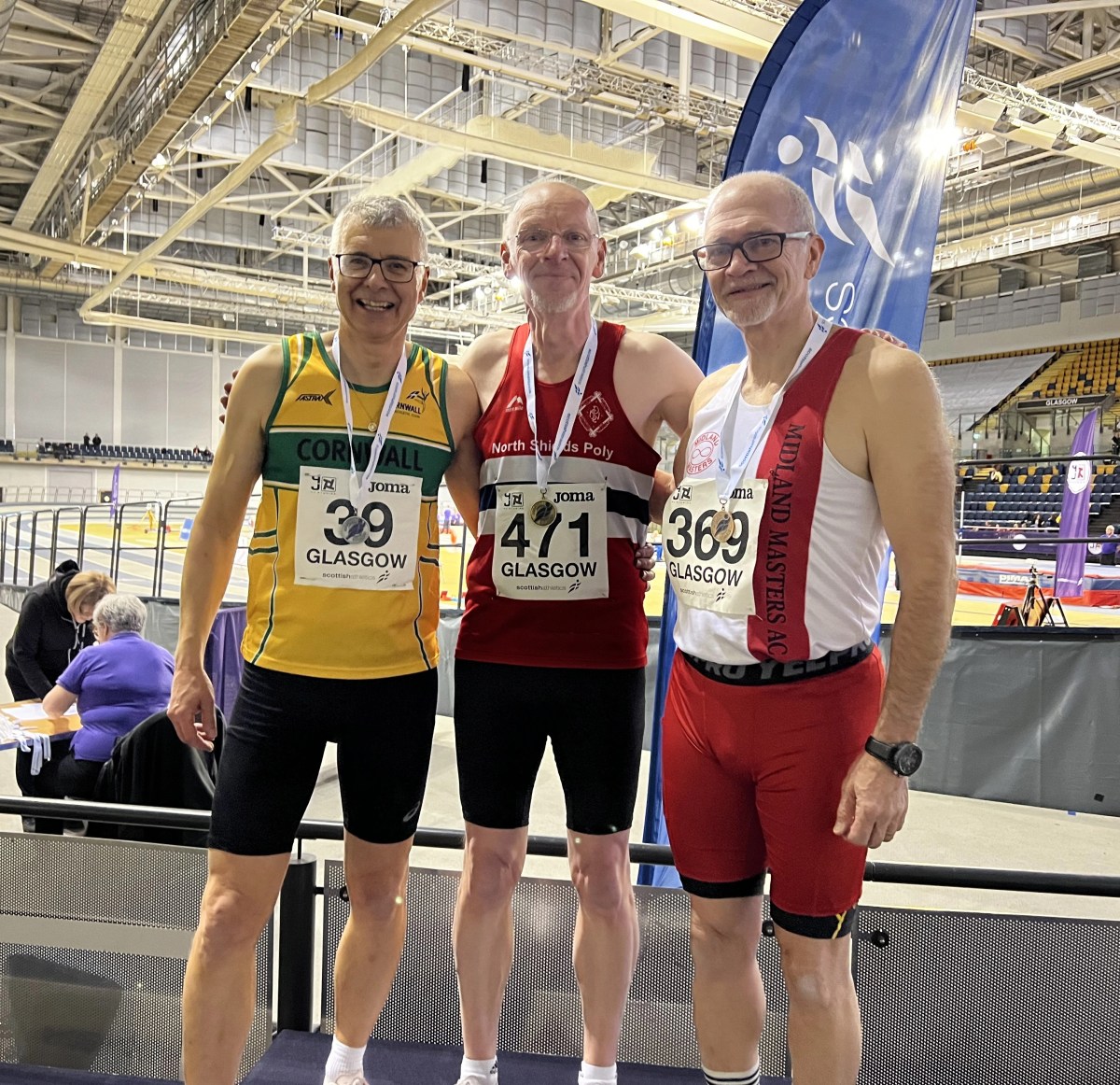
Part of this preparatory phase involved indoor racing at the Scottish and British Championships in Glasgow and Sheffield. These races not only served as a gauge for fitness and race sharpness but also provided a crucial opportunity to gain much-needed experience on the smaller 200m banked indoor track. Racing indoors presents distinct challenges compared to outdoor events, and acquiring track experience proved challenging, given the absence of indoor facilities in the North East of England.
The World Championships unfolded, delivering a truly remarkable experience. I consider myself fortunate to have been part of a mixed relay team that clinched a silver medal for Great Britain and Ireland. The personal victories continued as I reached the semi-finals and secured top 10 performances in the 200m and 400m, setting three new indoor personal bests. However, post the exhilarating highs of competing in a world championship, and perhaps due to the immense focus over several months, a noticeable dip in motivation ensued. It was uncanny how many of my GBR colleagues returned with injuries or health issues. While I avoided injuries, I eventually succumbed to Covid.
It took some time for the motivation to resurface and for training to transition from a necessity to something eagerly anticipated. When the outdoor season finally kicked off in May, the joy of racing reignited, serving as a timely reminder that all the sacrifices and suffering endured for the sport stem from a genuine love for what we do.
Even before the outdoor season began, I decided to treat it as two distinct parts, recognizing the difficulty, if not impossibility, of maintaining peak performance over an extended period of many months.
The first half of the outdoor season went exceptionally well. Despite not undergoing as much training as usual, a purple patch emerged, and I found myself running faster than ever before. Setting new personal bests in the 200m and 300m, matching my PB in the 100m, and breaking the elusive 60s barrier in the 400m, all contributed to success at the North East Championships, Scottish Championships, and North East Masters League in all three sprint disciplines.
The second half of the season commenced after the Scottish Championships on the 8th of July. While continuing to participate in the local Masters League, I decided to reduce track sessions for a few weeks to allow for rest. Simultaneously, I returned to the gym to condition my body for the latter part of the season.
As August unfolds, the primary focus shifts to the European Championships in Pescara, starting on the 21st of September. Alongside ramping up training, the run-up to Pescara includes two more North East Masters League meetings, a UK Masters Inter-County event in Nuneaton, and, of course, the British Masters Outdoor Championships in Derby on the 2nd and 3rd of September.
The Inter-Counties event went reasonably well, securing two second-place finishes against Mike Vassilou. However, an injury surfaced, initially dismissed as inconsequential. With the British Masters Championships merely three weeks away, I sought help from various physios and a sports therapist, with valuable assistance from fellow M60 athlete Mike Vassilou. Training became nearly impossible as the back eased only for the groin pain to return.
Despite not being in optimal condition, I decided to proceed to the British Championships, hoping for a miracle from the British Masters Medical Team. They made adjustments to my back and hip flexors, providing relief, though I still struggled to get up quickly from the starting position without pain. Withdrawal from the 100m and 200m became a necessity, but the hope lingered for a shot at the 400m from a standing start.
At the start of the 400m, a comical moment ensued as my lack of experience with a standing start nearly led to a topple. When the gun went off, so did my back, going into spasm in the initial strides, easing temporarily, only to spasm again on the home straight. The agony persisted, but miraculously, I managed to reach the end, earning a silver medal. The returning back pain necessitated a visit to the Medical Team the next day.
The European Championships, a mere three weeks away, found my body in complete disarray. Numerous visits to physiotherapists, a sports therapist, and a daily routine of bending and stretching exercises ensued. As the back gradually improved, a gentle track session revealed persistent pain in the adductor and hip flexor on my right leg, prompting an immediate halt to the session.
The European Championships arrived, and despite the lingering hope of competing, a visit to the Medical Team revealed a less-than-ideal condition. Withdrawal from the 100m was decided to allow for additional rest days. Another visit to the Medical Team ensued, providing more adjustments, soft tissue work, and additional taping, albeit with more tape than skin visible on my thigh. I was as good as I could be for the 200m.
Race day arrived, having gone through my warm-up routine, feeling reasonably good—though not at 100%. However, the moment I summoned maximum power, my adductor tore, causing excruciating pain across my pelvis. My European Championships journey ended abruptly, lasting a mere three seconds.
While disappointed, the preceding eight weeks had prepared me for such outcomes. Instead of competing, I utilized my time to support friends and fellow GBR athletes. The 4x100m relay, a race I missed the most, witnessed the M60 GBR team being crowned European Champions.
The next phase involves a period of rest and rehabilitation. Given the nature of the injury, a slow rebuilding process over months is crucial to prevent future complications. Determined to adhere to the plan, I aim to return healthier, stronger, and, hopefully, faster than before.
Whether I discovered sprinting or it discovered me remains uncertain. Like many other Masters Athletes, I harbor a few regrets about not taking up sprinting earlier in life. Nonetheless, discovering it at 58 and now, at 63, it has become a significant part of my life. Grateful for the ability to improve and the support from coaches, running buddies, competitors, friends, and my wife and family—who endure my constant chatter about it—I look forward to what lies ahead.
-
The Road to Torun (Part 11) – Slowly slowly catchy monkey.
Is how the training plan is building my performance so far. For example, in the three 400m races I’ve ran this year I have clocked 63.0s, 62.31s and 61.38s. Over the past two weeks I’ve competed at the Scottish Masters Indoor Championships and the British Masters Indoor Championships. There are updates on the site covering…
-
British Masters Athletics Indoor Championships 2023, You win some and you learn some 🤦♂️
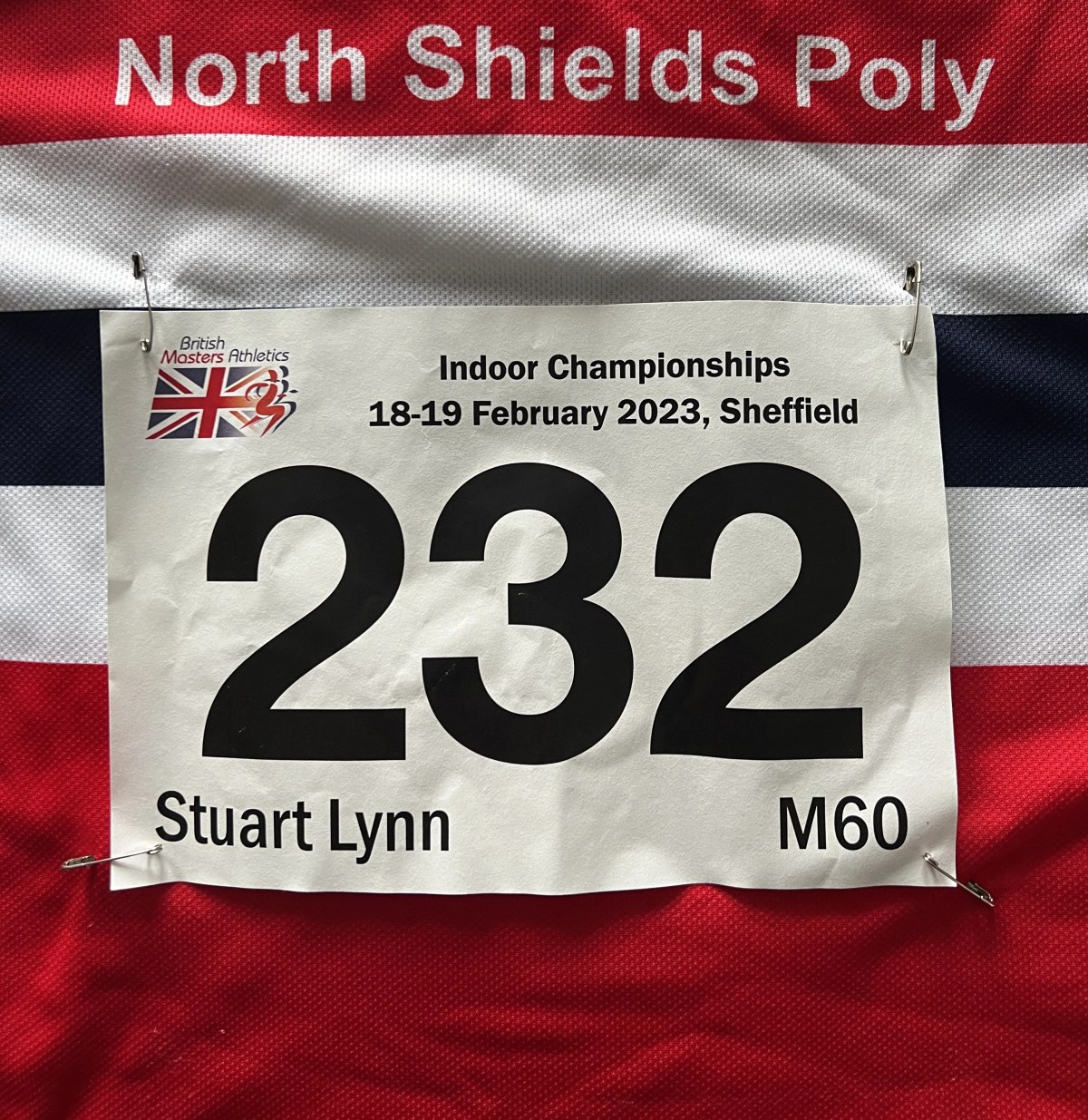
A valuable lesson was learned this years British Master Indoors Champs in Sheffield … I deliberately ran, and thought I’d won, a tactical race against fellow M60 Athlete ‘Peter Ilo’ for the bronze medal in the top seeded M60 400m race, only to discover moments later that two of the other athletes in the second…
-
The Road to Torun (Part 10) – Competition Time, Keeping the Faith & Sharing the Journey.
After months and months of winter training, strength and conditioning sessions and gradual build up back to race fitness, it was time to measure progress at the first competition of the year. That competition was the Scottish Masters Indoor Championships held at the wonderful Emirates Arena in Glasgow. The full story of how I performed…
-
Scottish Masters Athletics Indoor Championships 2023
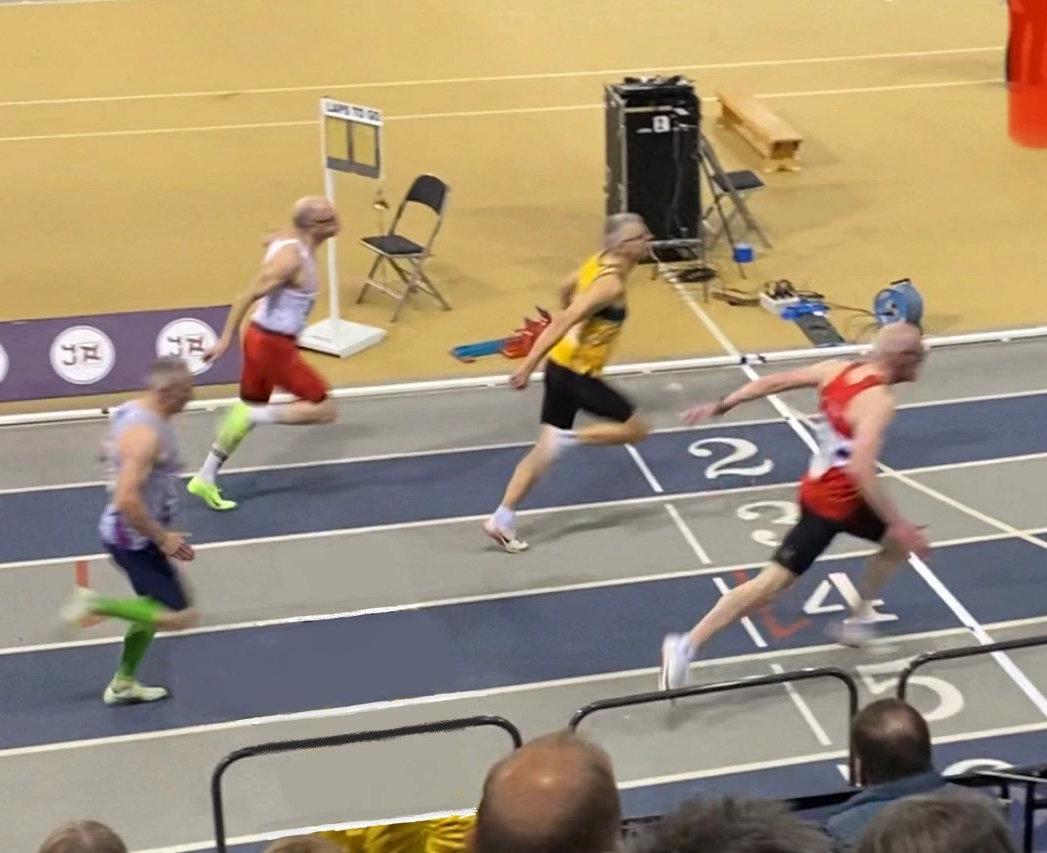
I travelled with a group of friends and athletes from North Shields Polytechnic Club and Morpeth Harriers & AC to the Glasgow Emirates Arena which was once again the venue for the Scottish Masters Indoor Athletics Championships on 12th February 2023. It was a hugely enjoyable event, not least because it’s one of the best…
-
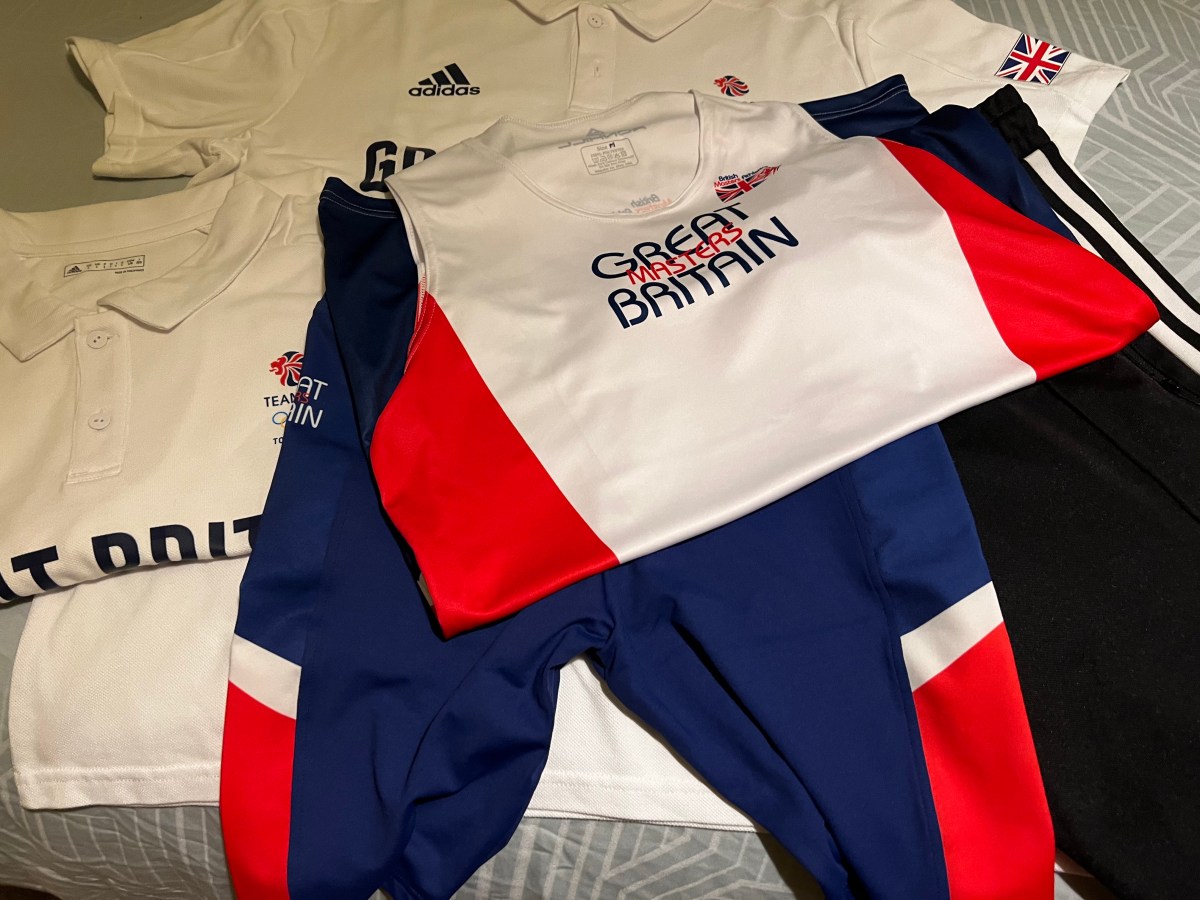
The Road to Torun (Part 9) – Golf & Sprinting dont mix, Pain is a constant, Injury is never far away.
An interesting week and a bit since my last update. I got over the disappointment of Sheffield very quickly and was back on the training plan on Tuesday night with 4x200m @ 90% effort in spikes. A very enjoyable session, hit every mark with ease and felt good the next day. That was until I…
-
The Road to Torun (Part 8) – The Masters community is freaking awesome, and what doesn’t kill you makes you stronger.
The world of Masters Athletics and the community spirit that it embodies never ceases to amaze … I ran in Sheffield last week and wasn’t overly impressed with my results. I won’t make any excuses or go into the reasons for the sub par performances, other than to say they taught me some good lessons,…
-

The Road to Torun (Part 7) – In Search of Speed, Friday 13th, Quitters Day.
This week welcomed the start of speed work into the programme, which means the distance reduces and so does the time. Tuesday’s session on a very cold wet and dark track, comprised 1 set of 3 runs over 100m, 150m and 200m at 90% race speed with 3 minute recovery between runs. Managed to hit…
-

The Road to Torun (Part 6) – Make it last then make it fast, 2023 Indoor Competition Schedule.
After missing a couple of weeks training over Christmas with sore ribs, thankfully this week’s training has been back on schedule. The plan is to ‘make it last then make it fast’ i.e. A winter of strength, conditioning and speed endurance have hopefully helped build up my core endurance, and the speed sessions which return next…
-
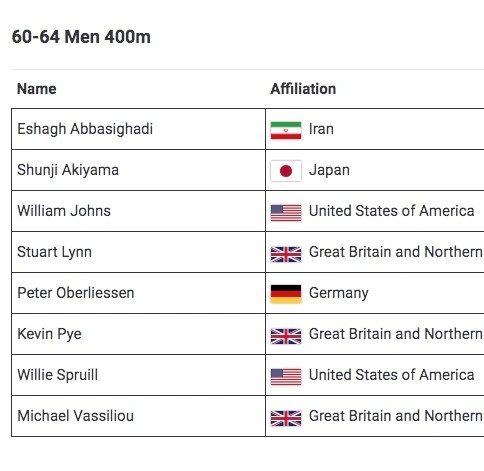
The Road to Torun (Part 5) – The most fun I’ve had spending £125 for a long time, Torun entry accepted .
Whilst still a few weeks to go before the registration window closes, I decided it was time to submit my entry for the 200m & 400 at the World Indoor Championships. I have to say I felt a degree of excitement hitting the submit button as it was the first time I’d ever entered a…
-

The Road to Torun (Part 4) – Happy New Year, Sore ribs, The show must go on.
1st January 2023, day one of a brand new year with brand new opportunities … thankfully back training again after taking a tumble before xmas, albeit with sore ribs. Today was a tempo session of 10x100m at a steady pace. I hope 2023 brings you health, happiness and much success. Until next time …
 Stuart Lynn - Masters Athlete